I am a biological anthropologist and behavioral ecologist who studies the ecological, social, and physiological influences on the behavioral, reproductive, and communication strategies of wild primates. Spanning ecology, bioacoustics, anthropology, and conservation, my collaborative research program is rooted in a deep interest in understanding primates' responses to social-ecological change. Since 2005, I have lived and worked with Indigenous communities in Indonesia and I am committed to cultivating deep relationships with local people and co-creating meaningful research that matters to them. Beyond research, I am deeply passionate about developing education, outreach, and training programs with and for local partners that highlight and support people's connections to the landscapes we share with our nonhuman primate cousins. As a first-generation college student, I am committed to lifting up and supporting others experiencing economic and social obstacles to pursue careers in science and conservation.
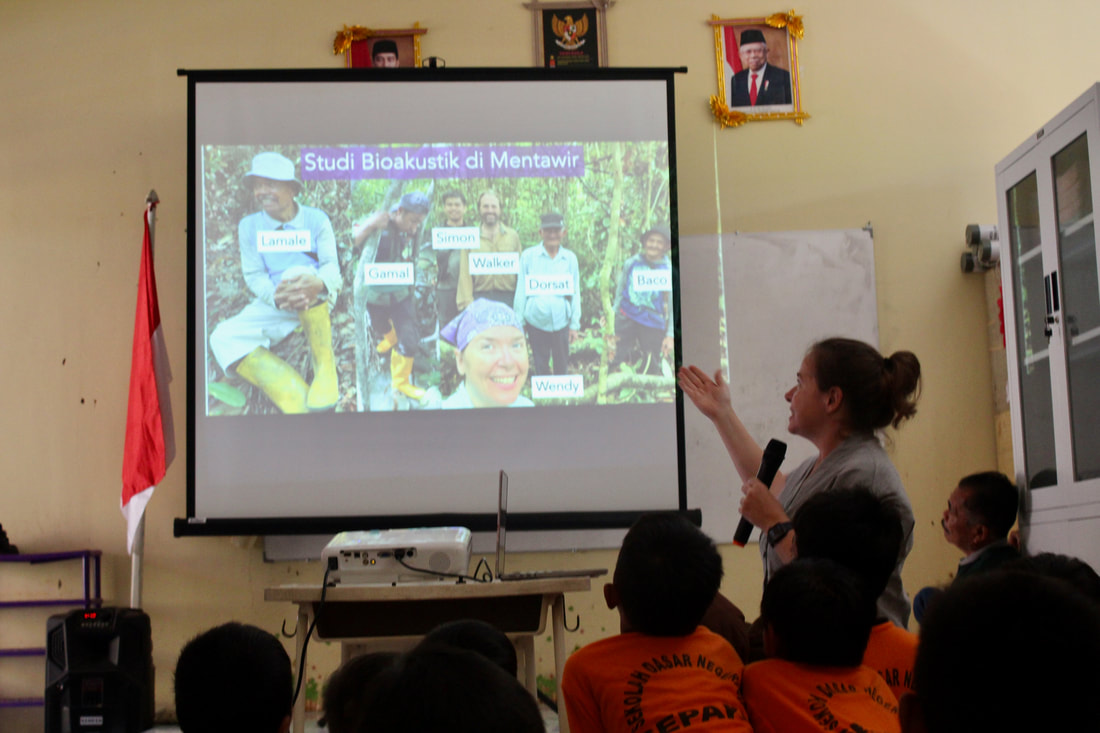
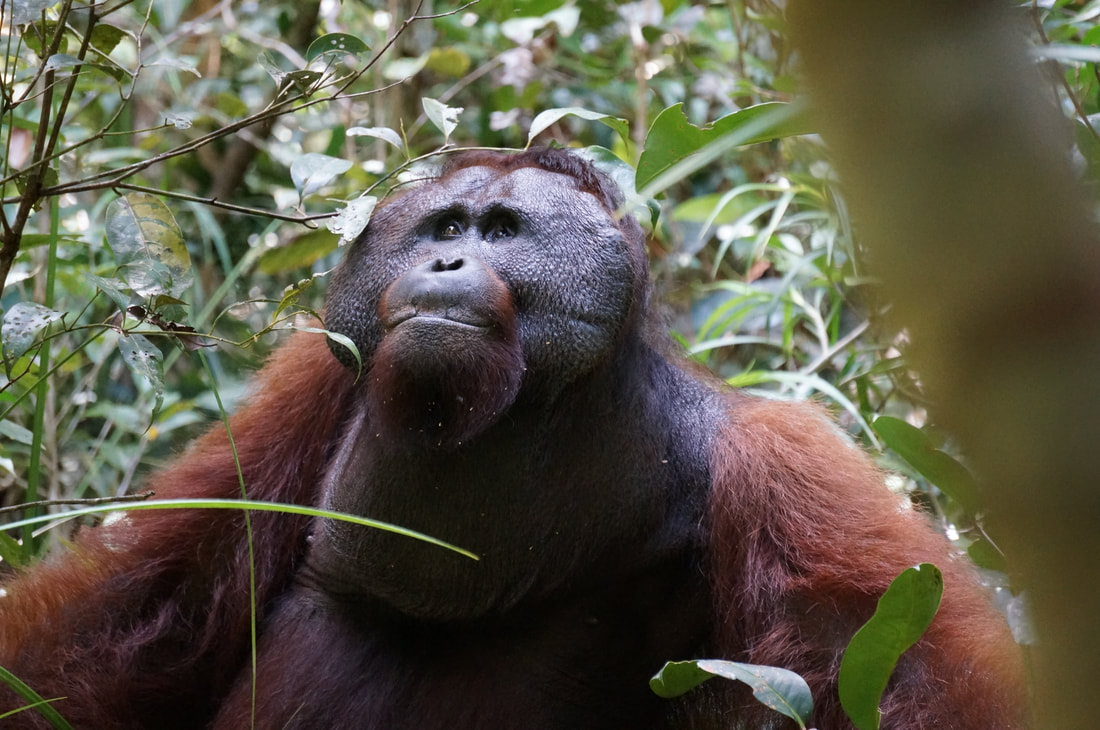
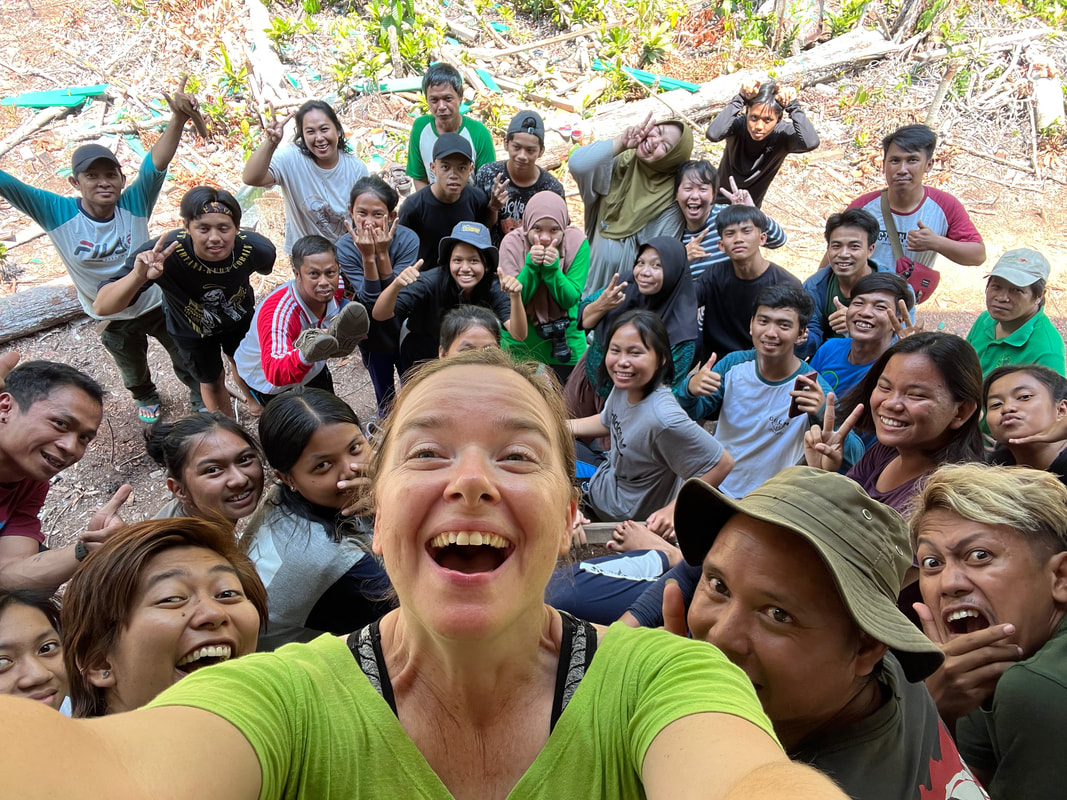
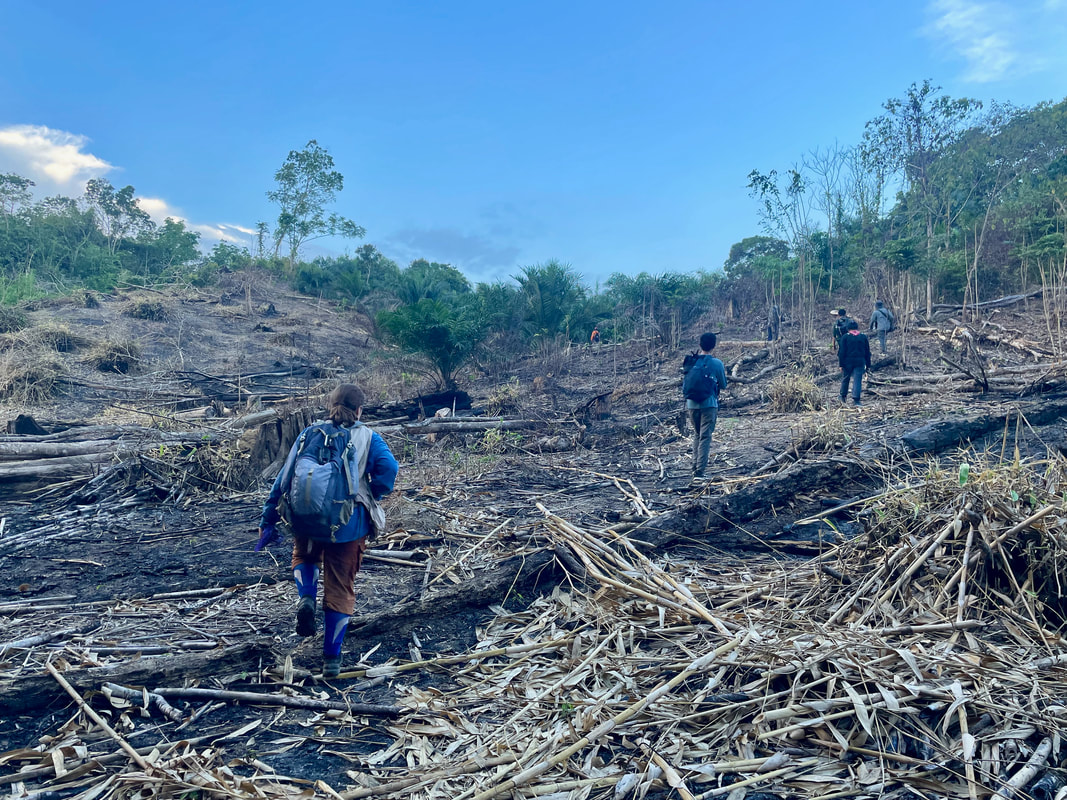
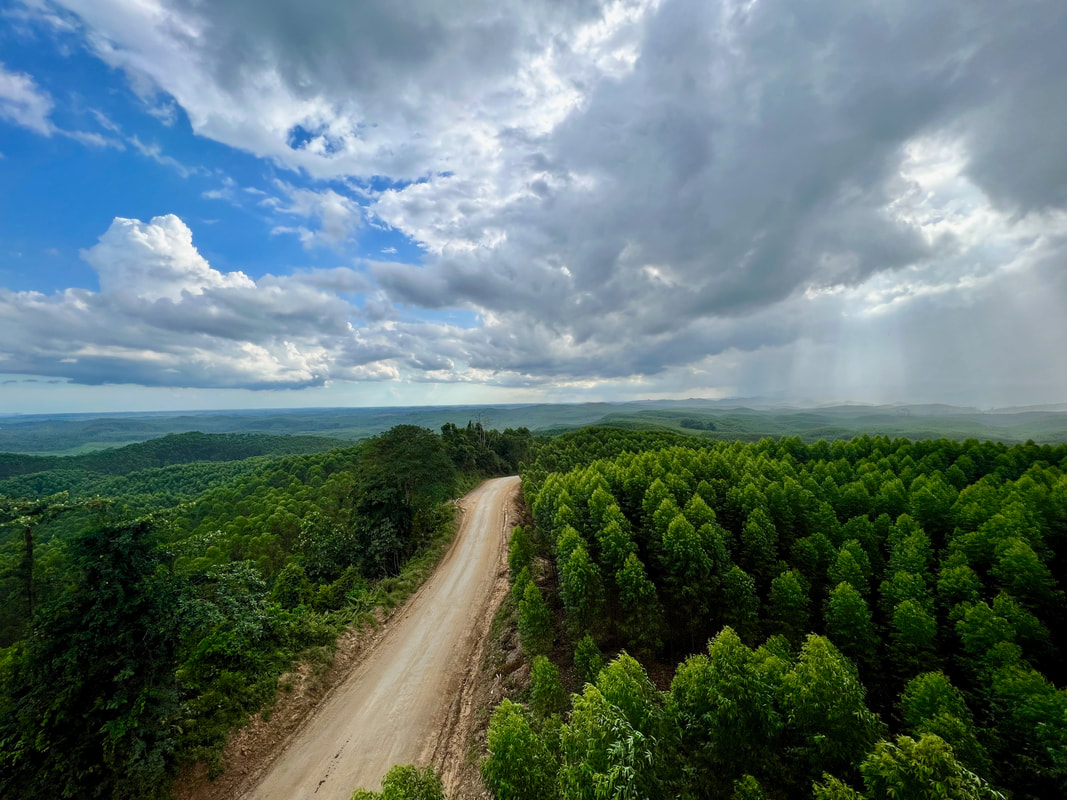
At the Cornell Lab of Ornithology's K. Lisa Yang Center for Conservation Bioacoustics, I am leading a team of natural and social scientists – in collaboration with local community partners – to conduct social-ecological research across Indonesia's new capital city in Borneo. By combining bioacoustics and ethnographic research with community-led biocultural monitoring, we are documenting the wide-ranging impacts on forests, people, and wildlife. In parallel, I have ongoing research in the Mungku Baru Education Forest in Central Kalimantan where, with local community members, we are monitoring endangered apes' and other animals' responses to environmental change and wildfire smoke to support conservation strategies for the Rungan landscape.
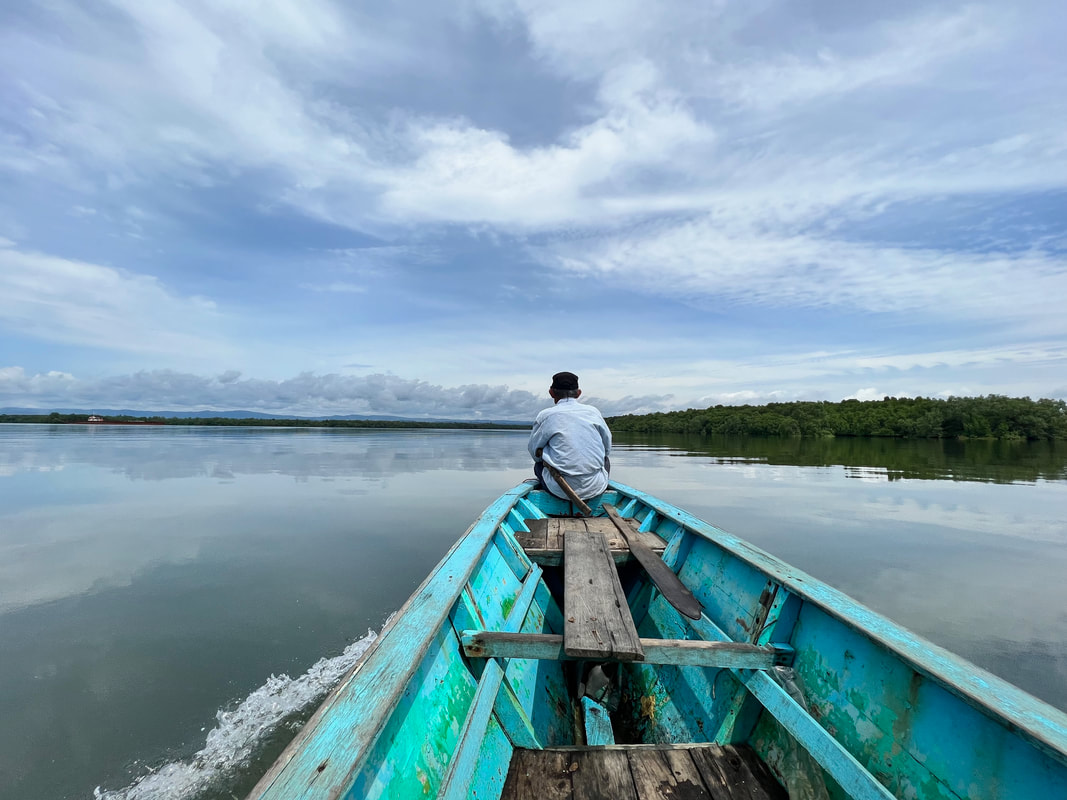
With my research partners, I have compiled multi-year behavior, ranging, and sound-recording datasets for simakobu (Simias concolor), saddleback tamarins (Leontocebus weddelli), and Bornean orangutans (Pongo pygmaeus wurmbii) as well as soundscape recordings of dipterocarp, peat-swamp, mangrove, and heath forests across Borneo. Students and early career researchers with an interest in collaborating on any of these research topics, please visit this page for more info and don't hesitate to get in touch!
